
Black-led music events in London are cancelled, restricted or blocked at higher rates than white-led nights because of racial bias embedded in licensing and policing practice, according to the Race Equality in Music Event Licensing (REMEL) report published around 14 October 2026.
The study, carried out by Black Lives in Music for the Greater London Authority, draws on interviews, focus groups, workshops, a survey and desk research. Freedom of Information requests were largely refused or only partly answered, and race-disaggregated licensing data remains scarce — limits the authors flag openly while still documenting clear patterns.
Genres closely associated with Black audiences — including Afrobeats, hip-hop, drill, R&B and dancehall — are routinely labelled “high risk,” while indie, pop and rock nights face lighter scrutiny. South Asian-led events also encounter restrictions and modified conditions; incomplete records made it harder to prove disproportionate cancellation in every borough.
Economically, the report estimates London loses about £127 million to £141 million in live-music spend each year under the current regime. It issues 19 recommendations, from transparent evidence standards and cultural impact assessments to reform of Cumulative Impact Zones and Temporary Event Notices. The legacy of Metropolitan Police Form 696 — scrapped in 2017 after criticism that it targeted Black music — is treated as unfinished business still shaping risk culture.
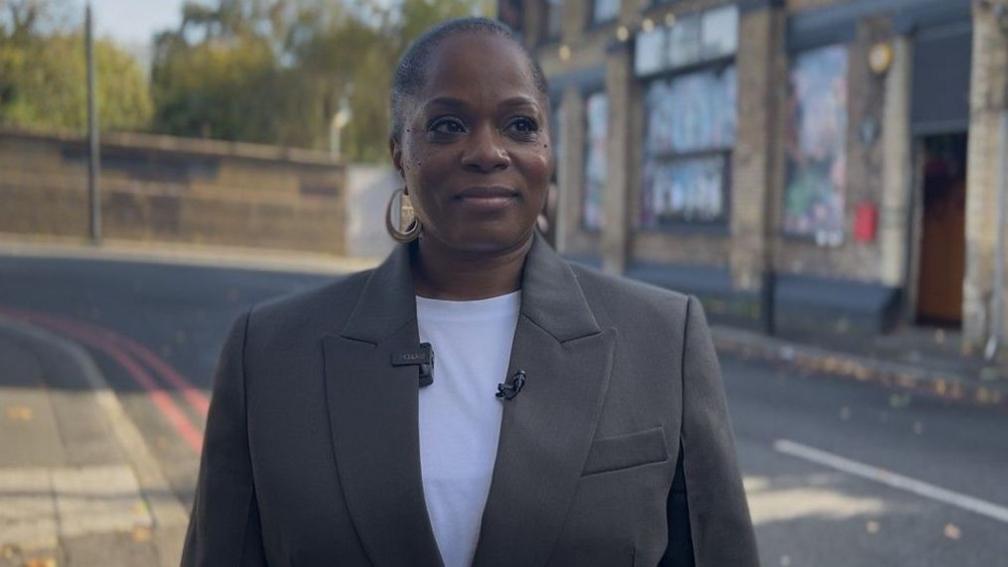
Charisse Beaumont, BLIM’s chief executive, said licensing disparities oppress and suppress early-career entrepreneurs and artists. Cameron Leslie, chair of the mayor’s London Nightlife Taskforce, welcomed the report. The Metropolitan Police said it understands concerns and will carefully consider the findings while keeping Londoners’ safety as its priority.
Image credit: BBC News — Charisse Beaumont outside a Hackney live music venue.
Sources: BBC News; Black Lives in Music.