
In the complex art of studio audio mixing, achieving a lead vocal or drum track that sounds simultaneously punchy, detailed, and massively powerful without sounding squashed or lifeless is one of the most challenging engineering feats. Traditional series compression reduces dynamic range by pulling down the loudest musical peaks, which can inadvertently dull sharp drum attack transients or make vocals sound unnaturally choked. To solve this fundamental engineering dilemma, pioneering studio technicians invented parallel compression, an ingenious routing technique that revolutionized modern music mixing. This historical progression fundamentally reshaped studio mixing techniques worldwide.
The dry and wet signal routing concept and New York mixing origins
Parallel compression, often referred to in studio parlance as New York compression, relies on a simple yet profound audio routing concept: splitting an uncompressed audio signal into two identical parallel signal paths. One path remains completely clean and uncompressed, preserving all the original natural dynamic attack, crisp transients, and acoustic clarity of the performance. The secondary parallel auxiliary track is routed through a hardware compressor set to extreme gain reduction ratios with fast attack and release settings. This historical progression fundamentally reshaped studio mixing techniques worldwide.
The heavily compressed parallel channel squashes the signal into an aggressive, dense, and sustained block of audio, bringing out subtle low-level room acoustics, vocal breath details, and subtle tail decay. By blending this hyper-compressed parallel signal underneath the pristine, untouched original track, the mixing engineer achieves the best of both acoustic worlds. The mixed output retains razor-sharp transient punch from the clean channel while gaining massive body, density, and sustained RMS loudness from the parallel compressed track. This historical progression fundamentally reshaped studio mixing techniques worldwide.
The historical origin of parallel compression dates back to classical broadcast engineering and earlyMotown studio techniques in the 1960s, though it was popularized in New York mixing suites during the 1970s and 1980s. Master mixing engineers like Michael Brauer, Bob Power, and Tony Maserati elevated parallel processing into an artform, constructing complex multi-bus parallel compressor rigs to mix iconic pop, hip-hop, and rock records across major studio facilities. This historical progression fundamentally reshaped studio mixing techniques worldwide.
Punchy drum processing silky vocals and acoustic transient punch
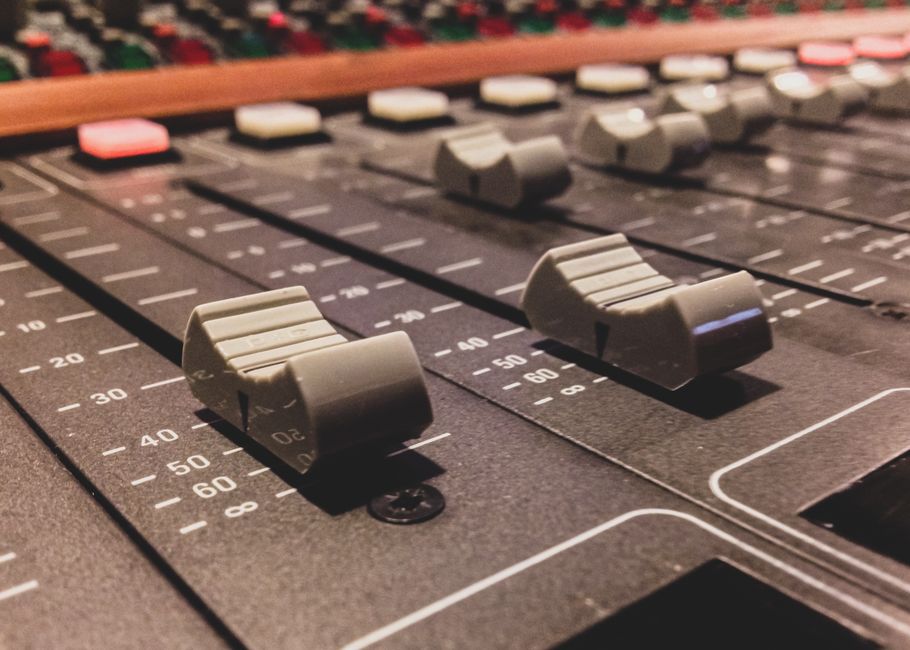
Applying parallel compression to drum tracks is perhaps the most celebrated application of the technique in modern music production. When an engineer compresses a live drum kit heavily in series, the sharp attack of the wooden drumstick hitting the snare drum head is flattened, resulting in a dull, lifeless drum sound. By sending a stereo drum bus send to a parallel compressor channel, the engineer can squash the room mics and drum body while leaving the dry snare and kick transients completely uncompressed. This historical progression fundamentally reshaped studio mixing techniques worldwide.
When blended together, the dry drums provide razor-sharp punch that cuts through dense wall-of-sound guitar mixes, while the parallel compressed drum track provides explosive room ambience, sustained shell decay, and thick low-end body. Iconic drum sounds on classic rock records by Led Zeppelin and Phil Collins relied heavily on aggressive parallel compression techniques to achieve massive, larger-than-life acoustic room sound. The resulting drum sound feels physically massive yet remarkably dynamic and articulated. This historical progression fundamentally reshaped studio mixing techniques worldwide.
In lead vocal mixing, parallel compression allows engineers to place intimate vocal performances right in front of the listener’s ears without sacrificing delicate emotional dynamics. The clean vocal track preserves natural performance dynamics and vocal expression, while the hyper-compressed parallel vocal track ensures every quiet whispered syllable remains clearly audible above loud electric guitars and synth pads. Parallel vocal compression imparts a silky, expensive studio sheen that anchors modern pop vocals. This historical progression fundamentally reshaped studio mixing techniques worldwide.
Digital DAW routing phase cancellation and internal mix knobs
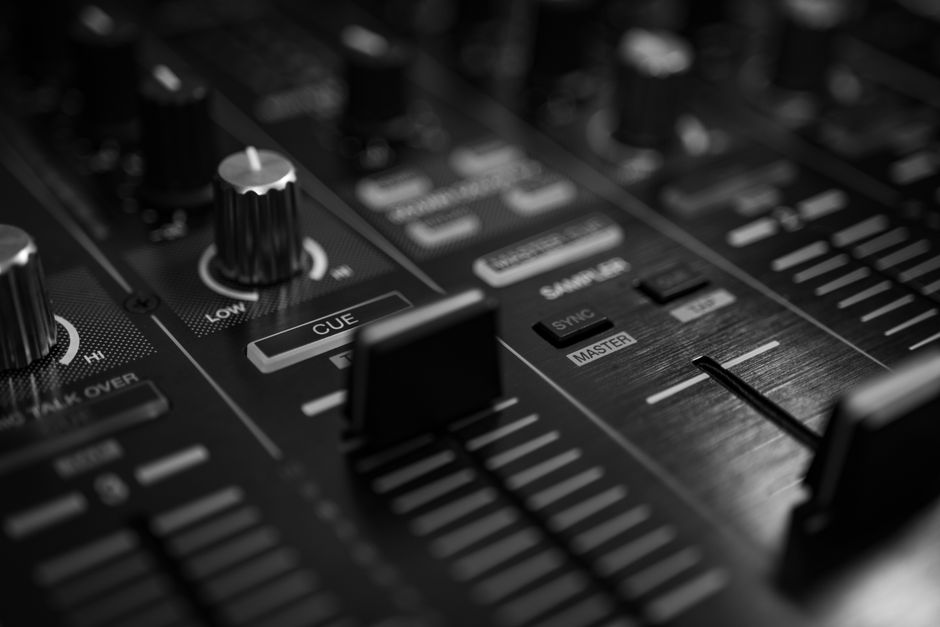
The advent of Digital Audio Workstations and software plugins made parallel compression accessible to every home studio producer worldwide. Modern DAW routing allows producers to set up parallel auxiliary sends with a single click, eliminating the complex patch-bay cabling required in legacy analogue mixing consoles. However, digital parallel processing introduced a new technical challenge: digital latency phase cancellation caused by plugin processing delay. This historical progression fundamentally reshaped studio mixing techniques worldwide.
Because digital compressors take a few milliseconds to process audio signals, combining an uncompressed dry track with a delayed parallel track can cause severe comb filtering and hollow phase cancellation. Modern DAWs solve this issue through automatic delay compensation algorithms, ensuring parallel signals remain perfectly sample-aligned down to the microsecond. Sample-accurate alignment guarantees that parallel processing enhances low-end punch without causing thin, out-of-phase acoustic cancellation. This historical progression fundamentally reshaped studio mixing techniques worldwide.
Contemporary plugin developers have integrated parallel processing directly into modern compressor interfaces via a wet and dry mix knob. This mix control allows engineers to perform parallel compression inside a single plugin insert without creating separate auxiliary tracks. While internal mix knobs streamline production workflows, many master engineers still prefer traditional multi-bus parallel routing for precise tonal equalization and independent spatial processing. This historical progression fundamentally reshaped studio mixing techniques worldwide.
Parallel saturation harmonic distortion and stereo mastering application
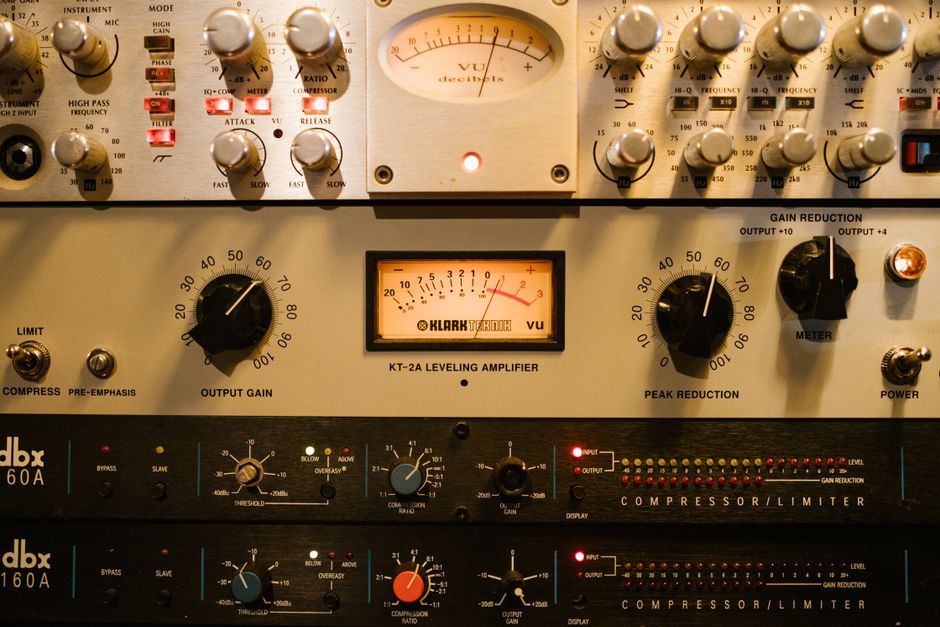
Beyond basic dynamic compression, modern mixing engineers expand parallel processing into parallel saturation, parallel equalization, and parallel harmonic distortion. By saturating a parallel vocal or bass track through vacuum tube hardware or tape emulation plugins, engineers add rich harmonic overtones that make instruments cut through small smartphone speakers. Parallel harmonic distortion adds subtle warmth and presence without degrading the clean fidelity of the primary recording. This historical progression fundamentally reshaped studio mixing techniques worldwide.
Mastering engineers also utilize parallel compression on full stereo mixes, using boutique hardware compressors like the Fairchild 670 or Manley Variable Mu to add cohesive glue to final record masters. Gentle parallel mastering compression lifts low-level acoustic details and stabilizes stereo image balance without smashing original mix dynamics or ruining transient punch. Parallel mastering ensures commercial records sound rich, warm, and polished across all playback systems. This historical progression fundamentally reshaped studio mixing techniques worldwide.
From its analogue roots in New York studio suites to modern digital DAW workflows, parallel compression remains one of the most powerful and versatile mixing techniques in recording history. By seamlessly blending transient clarity with hyper-compressed density, parallel processing solved a fundamental engineering dilemma and defined the sound of modern recorded music. Mastering the balance of dry and parallel signals is a hallmark of professional audio production excellence. This historical progression fundamentally reshaped studio mixing techniques worldwide.