
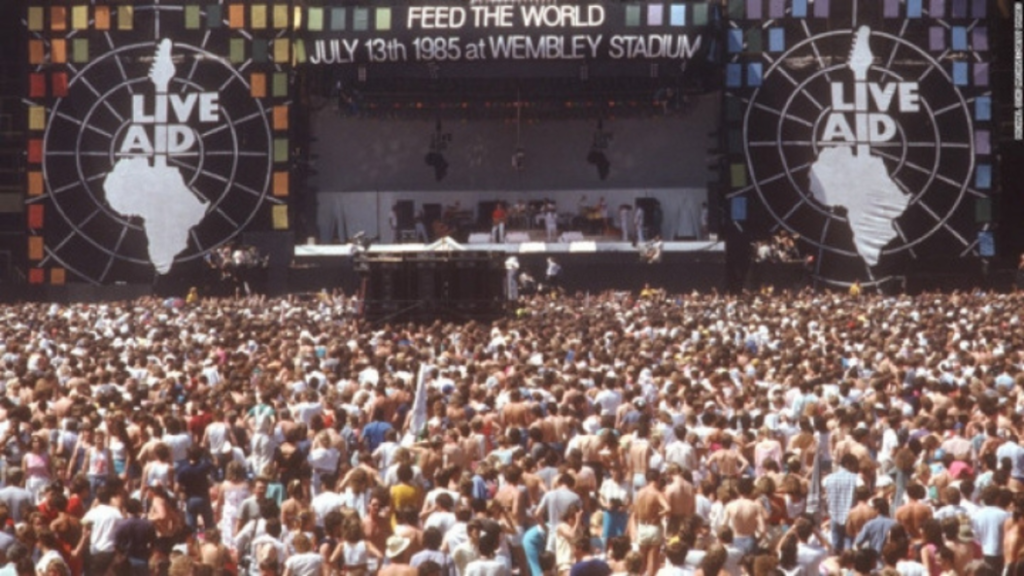
On July 13, 1985, an estimated global audience of 1.5 billion people across one hundred and fifty countries tuned in to witness Live Aid, an unprecedented dual-continent charity concert organized by Boomtown Rats frontman Bob Geldof and Midge Ure. Staged simultaneously at Wembley Stadium in London and JFK Stadium in Philadelphia, the sixteen-hour global broadcast brought together the biggest rock and pop icons on the planet to raise urgent funds for Ethiopian famine relief. Live Aid fundamentally redefined the scale, political influence, and broadcast logistics of global rock philanthropy. This historical progression fundamentally reshaped global charity concerts worldwide.
Band Aid origins satellite broadcasting and revolving stages
The catalyst for Live Aid arrived in late 1984 when BBC news reports by Michael Buerk exposed the catastrophic human toll of the Ethiopian famine to international television viewers. Horrified by the horrific broadcast footage, Geldof and Ure hastily assembled Band Aid, a supergroup of British pop stars who recorded the charity single Do They Know It’s Christmas to raise emergency relief funds. The massive success of the charity record convinced Geldof that a global satellite concert broadcast could mobilize international governments and raise millions more. This historical progression fundamentally reshaped global charity concerts worldwide.
Organizing a simultaneous dual-stadium concert across two continents in under five months presented unprecedented broadcast engineering and logistical nightmares for television production crews. Television producers utilized complex satellite feeds and microwave relays to transmit uninterrupted live music performances to sixteen international communications satellites orbiting Earth. Engineers coordinated real-time audio feeds and satellite delay loops, ensuring global television networks received clear stereo signals without catastrophic broadcast blackouts. This historical progression fundamentally reshaped global charity concerts worldwide.
To accommodate over seventy world-class musical acts performing across two venues within tight broadcast timeframes, stage crews designed revolutionary revolving circular stages. While one major act performed live in front of seventy thousand screaming fans, stage technicians behind the revolving partition set up amplifiers, drum kits, and microphone lines for the next artist. This mechanical turntable stage design enabled seamless three-minute set transitions, preventing broadcast delays. This historical progression fundamentally reshaped global charity concerts worldwide.
Queen at Wembley Phil Collins Concorde flight and rock royalty
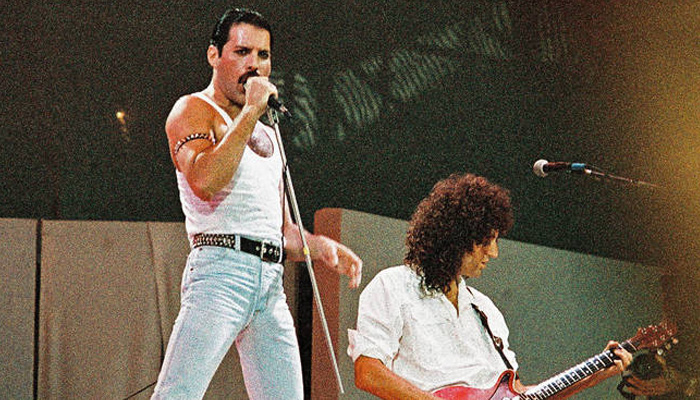
At London’s Wembley Stadium, Queen delivered a legendary twenty-minute performance that is widely regarded as one of the single greatest live rock performances in history. Frontman Freddie Mercury captivated seventy-two thousand stadium fans and millions of global television viewers with flawless vocal agility, charismatic showmanship, and magnetic crowd command. Queen’s electrifying performance stolen the show, reigniting their global career and demonstrating the raw power of live stadium rock. This historical progression fundamentally reshaped global charity concerts worldwide.
At Philadelphia’s JFK Stadium, Phil Collins accomplished an extraordinary transatlantic feat by performing at Wembley Stadium in the morning before boarding a Concorde supersonic jet to New York. Arriving in Philadelphia by helicopter, Collins performed a solo set and played drums for Eric Clapton and the surviving members of Led Zeppelin later that evening. Collins’s Concorde flight became an iconic symbol of Live Aid’s dual-continent ambition and rapid global connectivity. This historical progression fundamentally reshaped global charity concerts worldwide.
The concert featured unforgettable collaborative performances and historic reunions, including David Bowie, U2, Paul McCartney, Elton John, Madonna, Tina Turner, and Mick Jagger. U2’s impassioned performance of Bad propelled the Irish rock band to global superstardom as Bono leaped off stage to embrace a fan in the crowd. The sheer concentration of musical royalty performing for a humanitarian cause captivated world media headlines for weeks. This historical progression fundamentally reshaped global charity concerts worldwide.
Geldof broadcast appeals phone donations and humanitarian aid
Throughout the sixteen-hour broadcast, Bob Geldof made fiery, unscripted television appeals demanding that viewers pledge financial donations immediately to phone banks staffed by volunteers. Geldof’s passionate, profanity-laced broadcast outbursts broke traditional polite television decorum, shocking viewers into taking immediate personal action. Pledged donations flooded international telephone lines, raising over one hundred and fifty million dollars for famine relief and development projects across East Africa. This historical progression fundamentally reshaped global charity concerts worldwide.
While Live Aid achieved unprecedented financial and cultural success, political critics later questioned the long-term effectiveness and distribution logistics of international aid funds in war-torn regions. Political analysts noted that relief funds were occasionally misused by regional military factions in Ethiopia, highlighting the complex geopolitical realities of international humanitarian aid. Despite political controversies, Live Aid forced Western governments to increase official diplomatic aid allocations to African famine relief. This historical progression fundamentally reshaped global charity concerts worldwide.
The technical and logistical template pioneered by Live Aid established a lasting blueprint for mega-benefit concerts, inspiring subsequent global events like Live 8, Human Rights Now, and Global Citizen. Live Aid proved that popular music possessed immense political currency, capable of pressuring world leaders and raising public consciousness around pressing global crises. The event transformed pop stars into global humanitarian ambassadors advocating for international social justice. This historical progression fundamentally reshaped global charity concerts worldwide.
Archival preservation modern production template and global legacy
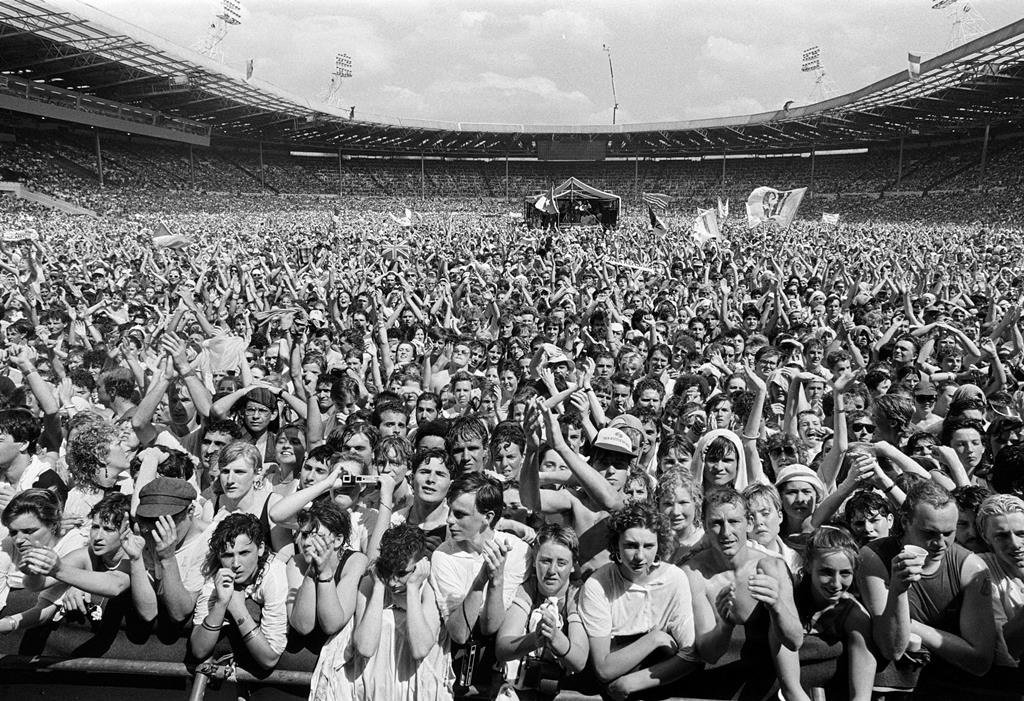
The archival broadcast recordings of Live Aid preserve an irreplaceable snapshot of 1980s pop culture, capturing legendary artists at the height of their creative powers. Remastered DVD and digital streaming releases continue to raise funds for the Band Aid Trust, providing ongoing humanitarian support across African communities four decades later. Live Aid remains an enduring symbol of global music solidarity. This historical progression fundamentally reshaped global charity concerts worldwide.
Modern stadium concert productions continue to rely on the revolving stage designs, satellite relay systems, and multi-camera broadcast workflows pioneered by Live Aid engineers in 1985. The event demonstrated that global satellite technology could unite billions of people around a shared emotional experience in real time. Live Aid proved that satellite broadcasting could turn a rock concert into a global cultural phenomenon. This historical progression fundamentally reshaped global charity concerts worldwide.
From Bob Geldof’s frantic phone calls to Freddie Mercury’s immortal Wembley performance, the story of Live Aid remains an inspiring testament to human compassion and musical unity. On a warm July day in 1985, the music world came together to prove that rock and roll could change the world. Live Aid stands as a monumental milestone in popular culture and global humanitarian history. This historical progression fundamentally reshaped global charity concerts worldwide.