
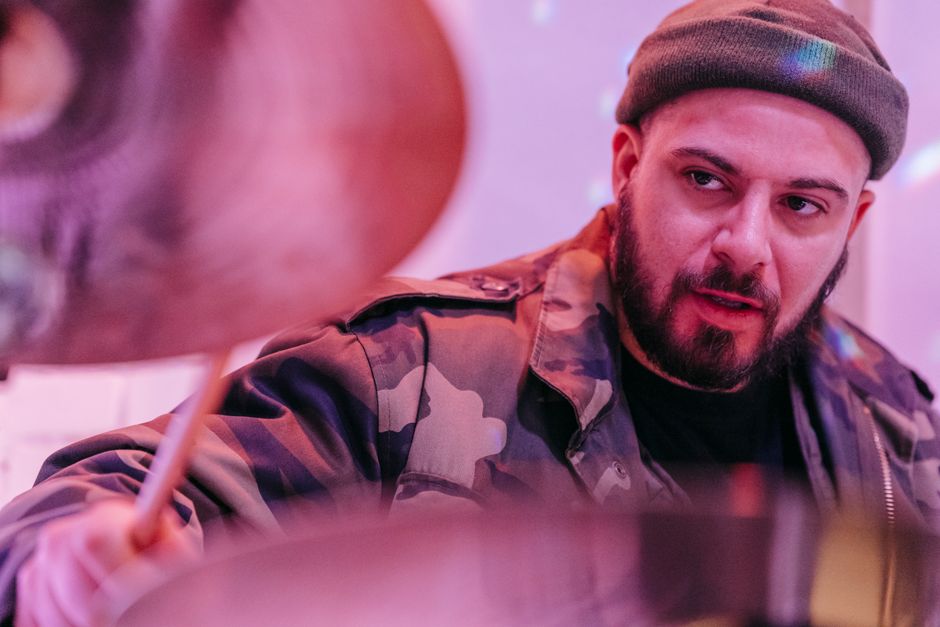
In 1969, a relatively obscure Washington D.C. funk and soul group called The Winstons recorded a b-side single titled Amen, Brother. Deep in the middle of the track, drummer Gregory Sylvester Coleman performed a four-bar, six-second un-pitched drum break featuring syncopated snare cracks, crisp hi-hat hits, and a ghost-note ride cymbal groove. Little did Coleman or bandleader Richard Lewis Spencer know that this throwaway six-second drum solo would become the most sampled drum loop in human history, shaping modern popular music. This historical progression fundamentally reshaped sampled breakbeat history worldwide.
Amen Brother origins hip hop sampling and British jungle rave
For nearly two decades, Amen, Brother remained an obscure vinyl B-side known primarily to funk record collectors and soul DJs. In 1986, hip-hop pioneer DJ Breakout and record archivist Louis Flores included the track on Ultimate Breaks and Beats, a legendary vinyl bootleg compilation created specifically for hip-hop DJs and early rap producers. Hip-hop DJs in New York recognized that Coleman’s syncopated drum solo possessed a raw, energetic swing perfect for looping under rap rhymes. This historical progression fundamentally reshaped sampled breakbeat history worldwide.
Early hip-hop producers using pioneering digital samplers like the E-mu SP-1200 and Akai MPC60 chopped up Coleman’s six-second drum break, looping and pitching the audio to create foundational rhythm tracks. The Amen Break provided the rhythmic backbone for foundational hip-hop tracks like N.W.A’s Straight Outta Compton, Salt-N-Pepa’s I Desire, and Rob Base and DJ E-Z Rock’s It Takes Two. Coleman’s fiery drum performance propelled Golden Age hip-hop onto commercial pop charts worldwide. This historical progression fundamentally reshaped sampled breakbeat history worldwide.
In the late 1980s and early 1990s, the Amen Break crossed the Atlantic Ocean to the United Kingdom, where underground rave DJs began speeding up the loop to extreme tempos. UK producers pitch-shifted the drum loop from its original 137 beats per minute up to 160 beats per minute, creating the frantic, hyper-syncopated rhythm that birthed jungle and drum and bass music. The six-second drum beat became the defining rhythmic blueprint for an entire British youth culture movement. This historical progression fundamentally reshaped sampled breakbeat history worldwide.
Drum and bass micro editing commercial licensing and Gregory Coleman
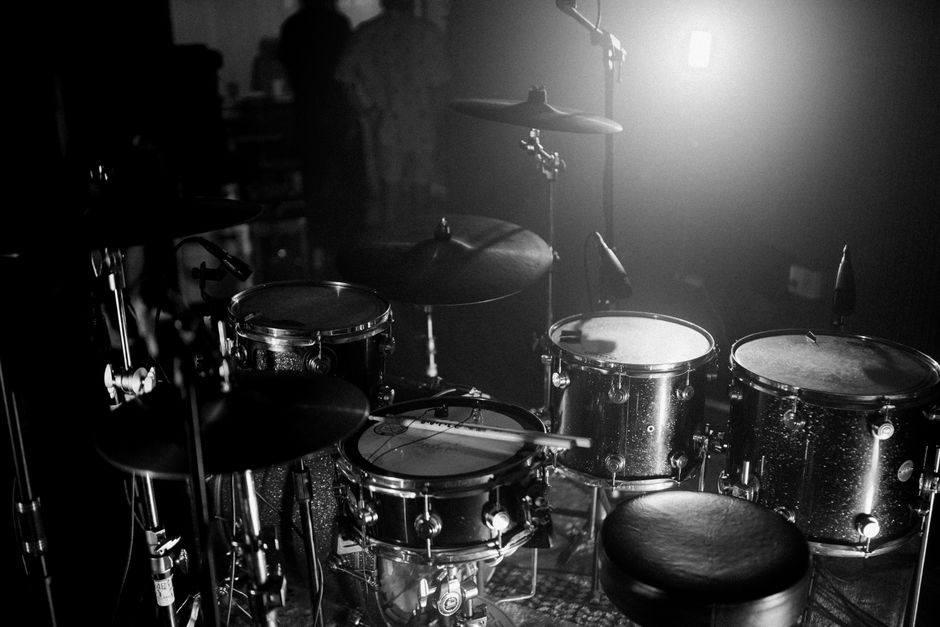
Electronic music producers in London, Bristol, and Manchester used digital audio editors to slice the Amen Break into individual snare, kick, and cymbal slices, rearranging the micro-samples into complex rhythmic patterns. Producers like Goldie, LTJ Bukem, and Roni Size pushed drum and bass into mainstream commercial recognition, building entire albums around intricate Amen Break micro-edits. Coleman’s six-second performance proved infinitely malleable, powering jungle, breakcore, trip-hop, and UK garage. This historical progression fundamentally reshaped sampled breakbeat history worldwide.
The incredible ubiquity of the Amen Break extended far beyond hip-hop and electronic dance music into mainstream television commercials, video game soundtracks, and Hollywood movie scores. Major international corporations used the familiar syncopated drum loop to advertise sports shoes, soft drinks, and motor vehicles to youth demographics. Classic video games like Futurama and Tekken featured Amen-driven soundtracks, cementing the drum break in modern pop culture. This historical progression fundamentally reshaped sampled breakbeat history worldwide.
Despite the Amen Break being sampled on tens of thousands of commercial records and commercial advertisements generating billions of dollars in revenue, drummer Gregory Coleman received zero royalty payments. Due to pre-digital copyright laws and sample clearance loopholes, Coleman died homeless and penniless in Atlanta in 2006 without receiving credit or compensation. The tragic financial disparity surrounding the Amen Break highlighted systemic exploitation within the music sampling ecosystem. This historical progression fundamentally reshaped sampled breakbeat history worldwide.
Crowdfunding campaigns copyright ethics and human swing physics
In 2015, British musicians Martyn Webster and Steve Theobald launched a GoFundMe crowdfunding campaign to raise financial support for Winstons bandleader Richard Lewis Spencer. The grassroots campaign raised over twenty-four thousand pounds from appreciative music fans and producers worldwide, providing long-overdue financial recognition and symbolic gratitude for the band’s monumental cultural contribution. Spencer expressed deep appreciation for the outpouring of global support from the electronic music community. This historical progression fundamentally reshaped sampled breakbeat history worldwide.
The legal and ethical legacy of the Amen Break sparked major debates regarding fair use, sample clearance rights, and copyright reform within the digital music industry. Modern sample libraries and digital software platforms now offer cleared drum loops and royalty-free breakbeats, ensuring contemporary sample creators receive proper publishing compensation. The Amen Break remains a central case study in law school intellectual property courses across the globe. This historical progression fundamentally reshaped sampled breakbeat history worldwide.
Musicologists and audio engineers analyzed the Amen Break to uncover why Coleman’s six-second performance possesses such timeless, hypnotic rhythmic appeal. Spectral audio analysis reveals that Coleman’s subtle micro-timing variations, natural acoustic room compression, and dynamic snare ghost notes created a unique human swing that digital drum machines cannot replicate. The organic human touch of Coleman’s drumming gives the loop its immortal groove. This historical progression fundamentally reshaped sampled breakbeat history worldwide.
Modern DAW breakbeat plugins documentation and the immortal beat
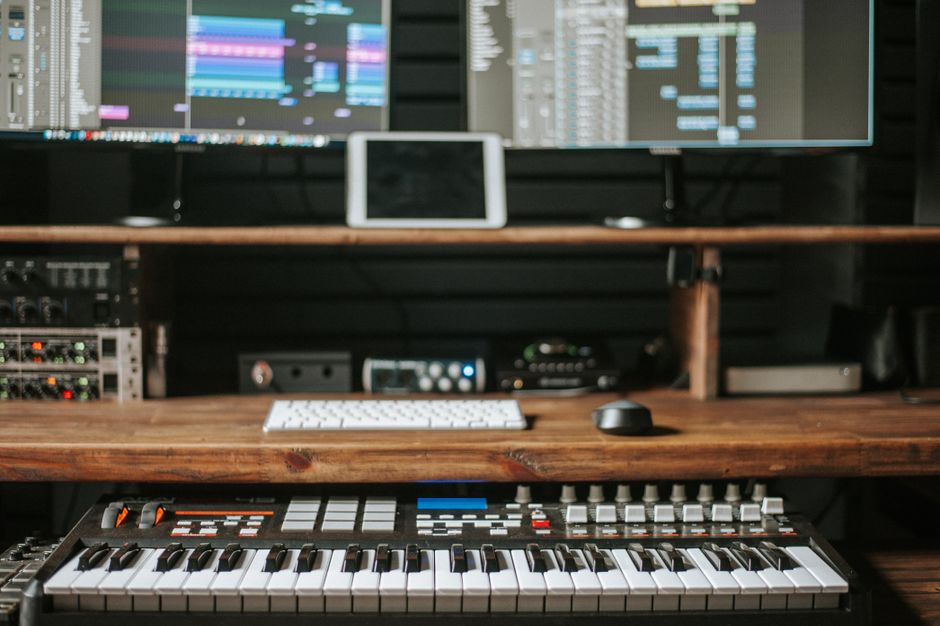
In contemporary electronic music production, the Amen Break remains a staple tool for veteran producers and emerging bedroom beatmakers alike. Modern DAW software plugins allow producers to manipulate, stretch, filter, and glitch the classic six-second loop in real time during live performances. The breakbeat continues to inspire new electronic subgenres, proving its incredible artistic longevity. This historical progression fundamentally reshaped sampled breakbeat history worldwide.
Documentaries, university lectures, and museum exhibits celebrate the history of Amen, Brother, honoring Gregory Coleman as one of the most influential drummers in modern history. Music fans worldwide recognize the iconic four-bar drum break instantly, celebrating its profound impact across hip-hop, jungle, and pop culture. Coleman’s six-second solo permanently altered global music production. This historical progression fundamentally reshaped sampled breakbeat history worldwide.
From a humble 1969 soul B-side in Atlanta to global stadium rave anthems, the journey of the Amen Break stands as an extraordinary story of cultural evolution. Six seconds of spontaneous human drumming reshaped the global musical landscape, bridging genres, decades, and international dance floors. The Amen Break remains the undisputed beating heart of modern breakbeat culture. This historical progression fundamentally reshaped sampled breakbeat history worldwide.