

Over the past four decades, the recording industry engaged in an aggressive sonic arms race known as the Loudness War, fundamentally altering how commercial music is mixed, mastered, and experienced by listeners worldwide. Driven by the commercial belief that louder records command greater consumer attention on radio broadcasts and jukeboxes, record labels pushed mastering engineers to maximize audio signal levels. However, as digital brickwall limiters allowed tracks to reach absolute peak volume, the natural dynamic contrast between quiet delicate passages and explosive climaxes was gradually destroyed. This historical progression fundamentally reshaped audio mastering fidelity worldwide.
Analogue radio origins digital CD emergence and brickwall limiters
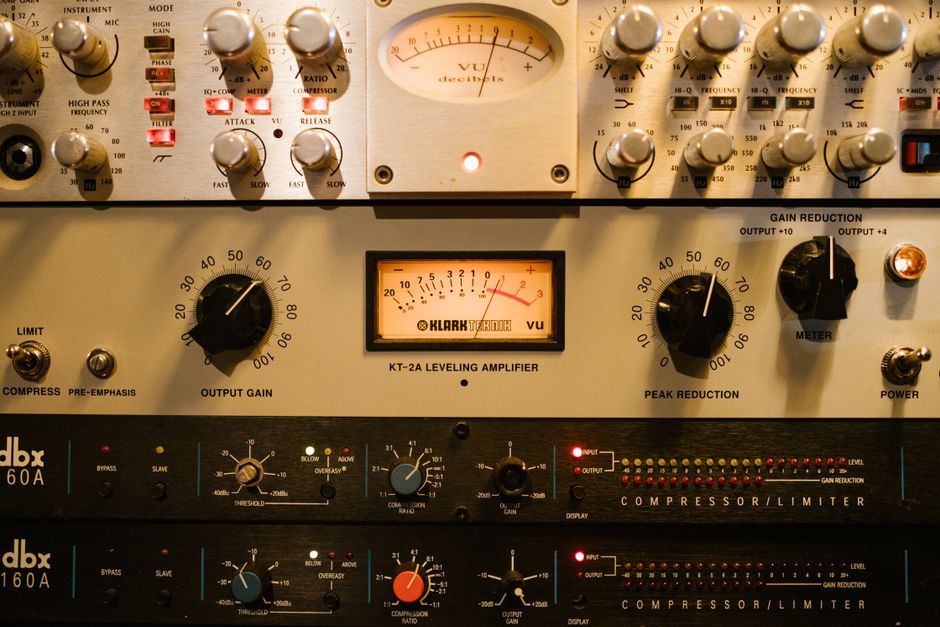
The roots of the Loudness War trace back to the mid-twentieth century jukebox era and AM radio broadcasts, where record companies competed fiercely for immediate listener engagement. Radio stations utilized heavy analogue peak limiters and multi-band compressors to prevent signal distortion while keeping broadcast levels consistently loud across car speakers. Vinyl record mastering engineers learned that cutting vinyl grooves louder made records stand out in jukeboxes, though physical mechanical limitations prevented extreme signal clipping without causing turntable needles to jump off record grooves. This historical progression fundamentally reshaped audio mastering fidelity worldwide.
The transition from analogue vinyl records to Compact Discs in the 1980s promised a new golden age of audiophile dynamic range and pristine audio fidelity. Digital audio offered a theoretical dynamic range exceeding ninety-six decibels, allowing recordings to capture subtle acoustic nuances alongside thunderous orchestral transients without surface noise. Early CD masterings of classic albums preserved original analogue dynamic range, offering transparent acoustic imaging and natural punchy transients that audiophiles celebrated across hi-fi publications. This historical progression fundamentally reshaped audio mastering fidelity worldwide.
However, by the early 1990s, the widespread adoption of digital signal processing and digital brickwall limiters like the waves L1 Ultramaximizer fundamentally altered mastering workflows. Digital limiters allowed mastering engineers to raise average root-mean-square audio levels to zero digital decibels without incurring audible digital clipping distortion. Record company executives quickly demanded that every new CD release sound noticeably louder than competing artist records on commercial store listening stations. This historical progression fundamentally reshaped audio mastering fidelity worldwide.
The peak of hyper-compression distortion and public backlash

As average audio volume levels escalated during the late 1990s, commercial pop, rock, and hip-hop albums suffered severe dynamic range compression. Dynamic contrast—the difference between quiet intro passages and explosive chorus sections—was flattened into a solid, unyielding wall of sound. Transient impact on drum snare hits and bass guitar plucks was severely squashed, replacing punchy acoustic transients with harsh harmonic distortion, digital inter-sample peaks, and noticeable listener ear fatigue. This historical progression fundamentally reshaped audio mastering fidelity worldwide.
The climax of the Loudness War arrived in 2008 with the release of Metallica’s album Death Magnetic, which sparked widespread international public outrage among fans and audio engineers. The album’s commercial CD release was masterfully squashed to such extreme volume levels that audible digital clipping distortion and heavy distortion pump artifacting littered the entire recording. Remarkably, fans discovered that the video game version of the album offered superior dynamic range and far cleaner audio quality than the commercial retail CD release. This historical progression fundamentally reshaped audio mastering fidelity worldwide.
Audio engineers and mastering legends like Bob Ludwig and Geoff Emerick spoke out publicly against the destruction of musical dynamics, warning that extreme compression ruined emotional musical storytelling. Academic research studies confirmed that hyper-compressed music induced listener fatigue, causing consumers to turn off music after shorter listening sessions due to continuous acoustic pressure on human ears. The sacrifice of dynamic range for volume created a generation of sterile, flat-sounding commercial records. This historical progression fundamentally reshaped audio mastering fidelity worldwide.
Streaming loudness normalization and the return of dynamics
The turning point in the fight against hyper-compression arrived with the global shift toward digital music streaming services like Spotify, Apple Music, and YouTube. To ensure consistent listening volume across diverse song playlists, streaming services implemented automated loudness normalization algorithms based on ITU BS.1770 standards. Loudness normalization measures integrated LUFS (Loudness Units Full Scale) and automatically turns down tracks that exceed target loudness thresholds like minus fourteen LUFS. This historical progression fundamentally reshaped audio mastering fidelity worldwide.
Loudness normalization effectively neutralized the commercial incentive for hyper-compressed mastering, as heavily smashed masters were automatically turned down by streaming player engines to match dynamic recordings. Under streaming normalization, a dynamic, punchy record sounds fuller, clearer, and more impactful than a smashed hyper-compressed master that loses its transient transient punch when volume-matched. This technological shift incentivized mastering engineers to embrace natural dynamic contrast once again. This historical progression fundamentally reshaped audio mastering fidelity worldwide.
In contemporary mastering studios, engineers prioritize transient response, acoustic depth, and tonal balance over raw peak volume level. Modern mastering software provides detailed real-time LUFS metering and dynamic range analysis tools, allowing engineers to craft competitive masters optimized specifically for digital streaming platforms. The death of hyper-compression allowed acoustic space and emotional dynamics to return to commercial pop music production. This historical progression fundamentally reshaped audio mastering fidelity worldwide.
Modern audiophile reissues and the future of dynamic mastering
Audiophile reissues, high-resolution vinyl pressings, and spatial audio formats like Dolby Atmos further emphasize the modern revival of natural dynamic range. Music consumers increasingly seek out uncompressed analogue remasters that preserve original musical dynamics and subtle micro-details lost during nineties digital mastering wars. Audiophile culture celebrates dynamic clarity over artificial loudness, honoring the original intent of recording artists. This historical progression fundamentally reshaped audio mastering fidelity worldwide.
Educational campaigns by organizations like Dynamic Range Day raised public awareness among young music producers and indie artists regarding mastering best practices. Emerging music creators learn that proper gain staging, gentle bus compression, and healthy dynamic range create timeless recordings that age gracefully over time. Dynamic contrast remains an essential artistic tool for constructing emotional momentum, tension, and release in song composition. This historical progression fundamentally reshaped audio mastering fidelity worldwide.
The story of the Loudness War stands as a cautionary tale of commercial over-saturation ruining artistic quality within the modern music industry. By prioritizing short-term loudness competition over acoustic fidelity, the industry temporarily sacrificed the natural dynamic beauty of recorded music. Today, the restoration of dynamic range standards ensures that recorded music retains its full emotional power, punchy transients, and acoustic depth for future generations. This historical progression fundamentally reshaped audio mastering fidelity worldwide.