

In the formative years of interactive entertainment, sound was primarily a technical necessity designed to signal gameplay feedback rather than an artistic medium for emotional storytelling. Early arcade machines and home consoles were constrained by primitive sound hardware capable of generating only a few simultaneous square waves, noise channels, and rudimentary clicks. Yet across four decades of rapid technological acceleration, video game music expanded from tiny electronic memory chips into sweeping symphonic compositions performed by world-class live orchestras and driven by complex interactive audio engines.
The 8-bit era and the birth of chiptune minimalism
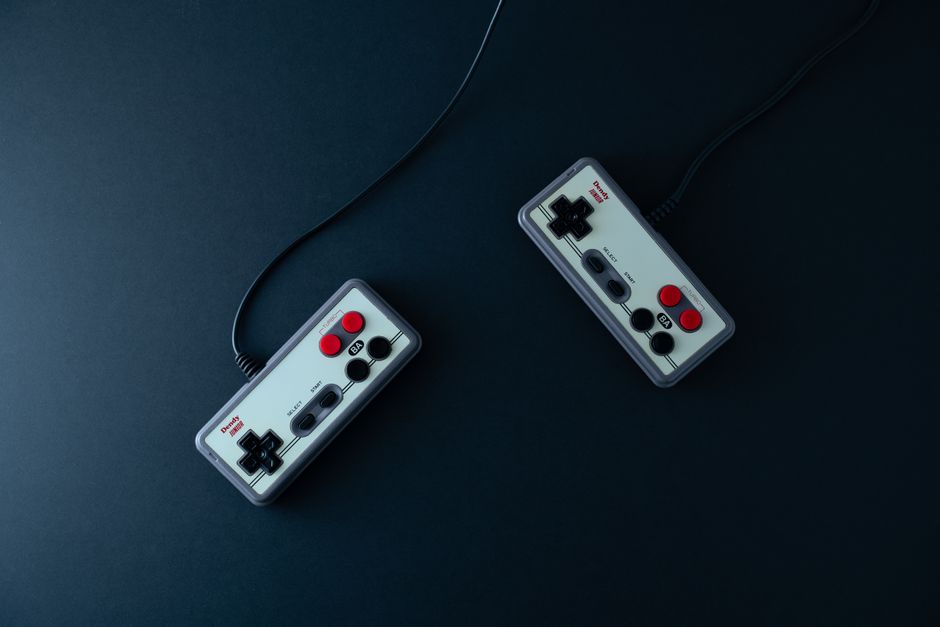
During the late 1970s and early 1980s, the foundational era of video game audio was defined by severe hardware limitations that forced composers to become resourceful micro-programmers. Arcade cabinets and home systems like the Nintendo Entertainment System relied on custom sound chips such as the iconic Ricoh 2A03, which offered only five mono sound channels including two square waves, a triangle wave, a noise generator, and a primitive sample channel. Every musical note, bassline, percussion hit, and sound effect had to be meticulously coded byte by byte directly into system memory routines.
Pioneering Japanese composers like Koji Kondo, Hip Tanaka, and Yoko Shimomura transformed these severe technical constraints into unforgettable, endlessly looping melodic hooks that defined global pop culture. By emphasizing strong rhythmic syncopation, inventive counterpoint, and memorable voice-leading, Kondo created timeless themes for Super Mario Bros and The Legend of Zelda that remained vibrant despite hardware limits. These early 8-bit chiptune compositions demonstrated that compelling melodic craft and harmonic structure could easily transcend primitive electronic square waves across generations.
The physical limitations of early ROM cartridges meant that game scores had to occupy minimal storage space while remaining engaging over hours of continuous gameplay without causing listener fatigue. Composers crafted ingenious structural loops and dynamic pitch-shifting routines that altered tempo and key based on on-screen player actions, establishing the earliest principles of interactive gaming audio. The 8-bit chiptune aesthetic established a lasting musical legacy that continues to influence contemporary electronic artists and indie game developers across the global music industry today.
The 16-bit revolution sample synthesis and FM sound chips
The transition to 16-bit gaming consoles in the early 1990s represented a monumental leap forward in musical complexity and sonic fidelity for interactive entertainment systems worldwide. Consoles like the Super Nintendo Entertainment System featured the revolutionary Sony SPC700 sound chip, which introduced eight-channel digital sample playback capable of reproducing recorded instrumental timbres. Meanwhile, the Sega Genesis utilized FM synthesis through the Yamaha YM2612 chip, delivering gritty synth basslines, metallic percussion, and punchy urban grooves that defined landmark action soundtracks.
With sample-based audio synthesis, composers could incorporate realistic instrument textures ranging from slap bass and electric pianos to orchestral strings, brass stabs, and ethnic percussion instruments. Legendary games like Chrono Trigger, Super Castlevania IV, and Streets of Rage showcased sophisticated musical arrangements that blended progressive rock, jazz fusion, techno, and classical romanticism seamlessly. Sound designers began experimenting with spatial acoustics, reverb simulation, and complex stereo panning to create immersive audio environments within expansive virtual fantasy worlds.
The 16-bit era also marked the rise of distinct regional composition styles, with Japanese game developers pioneering specialized audio teams and dedicated sound architecture departments within major studios. Game studios recognized that high-quality sound design directly enhanced player immersion, driving emotional engagement during critical story moments, character reveals, and intense boss encounters. As console hardware capabilities expanded, game music evolved rapidly from simple background accompaniment into a central pillar of franchise identity, artistic narrative, and creative direction.
The CD-ROM age live orchestrations and cinematic scores

The advent of optical CD-ROM storage and 32-bit hardware in the mid-1990s completely shattered previous audio constraints, enabling developers to stream pre-recorded live instrumental audio directly from disc. Consoles like the Sony PlayStation and Sega Saturn allowed game directors to hire live studio musicians, full rock bands, and symphonic orchestrators to record live studio sessions for cinematic video games. Iconic titles like Final Fantasy VII and Metal Gear Solid embraced cinematic audio design, incorporating dark ambient textures, vocal choir passages, and recurring thematic leitmotifs.
As live orchestral recording became viable for blockbuster video game budgets, celebrated film composers like Hans Zimmer, Harry Gregson-Williams, and Michael Giacchino began scoring major interactive franchises across the globe. The line between Hollywood cinematic scores and interactive game music blurred as developers recorded full symphonic orchestras in prestigious recording venues like London’s Abbey Road Studios. Interactive games began matching the production scale of major motion pictures, utilizing grand string arrangements and brass fanfares to elevate heroic character arcs into sweeping epic sagas.
Streaming redbook audio allowed game worlds to feel broader and more emotionally resonant, replacing electronic tone generators with rich acoustic instrumentations recorded in acoustic halls worldwide. Players experienced sweeping orchestral soundscapes that matched the growing graphical capabilities of three-dimensional virtual environments seamlessly. This dramatic shift established video game composition as a respected branch of contemporary orchestral music, inspiring dedicated live concert tours that filled major symphony halls and concert arenas across Europe, Asia, and the Americas continuously.
Modern interactive audio dynamic systems and orchestral glory

In modern high-budget game development, music is no longer a static linear recording played in a background loop, but an adaptive, interactive ecosystem that reacts dynamically to player choices in real time during gameplay. Advanced middleware audio engines like Wwise and FMOD enable audio designers to construct multi-layered scores that seamlessly transition between quiet exploration, tense stealth sequences, and explosive combat encounters. Musical stems and vertical instrumental layers fade in and out dynamically based on player health levels, enemy proximity, spatial location, and narrative tension.
Contemporary video game soundtracks blend diverse musical traditions seamlessly, incorporating ambient electronic synthesis, traditional folk instrumentation, experimental sound design, and full symphonic ensembles. Masterpieces like God of War, The Last of Us, and Elden Ring utilize acoustic intimacy alongside massive choral structures to deepen thematic storytelling and emotional character development. Game composers design adaptive musical systems that ensure every single player experiences a personalized, emotionally resonant audio journey tailored precisely to their individual gameplay decisions.
From the humble 8-bit square waves of early arcade cabinets to the sophisticated, real-time adaptive orchestral scores of modern blockbusters, video game music has achieved extraordinary artistic maturity across four decades of innovation. Today, video game soundtracks win prestigious Grammy Awards, sell out global arena concert tours, and command millions of digital streams across international streaming platforms worldwide. Video game composition stands proudly as one of the most innovative, dynamic, and emotionally powerful artistic movements in the modern history of global music culture today.