
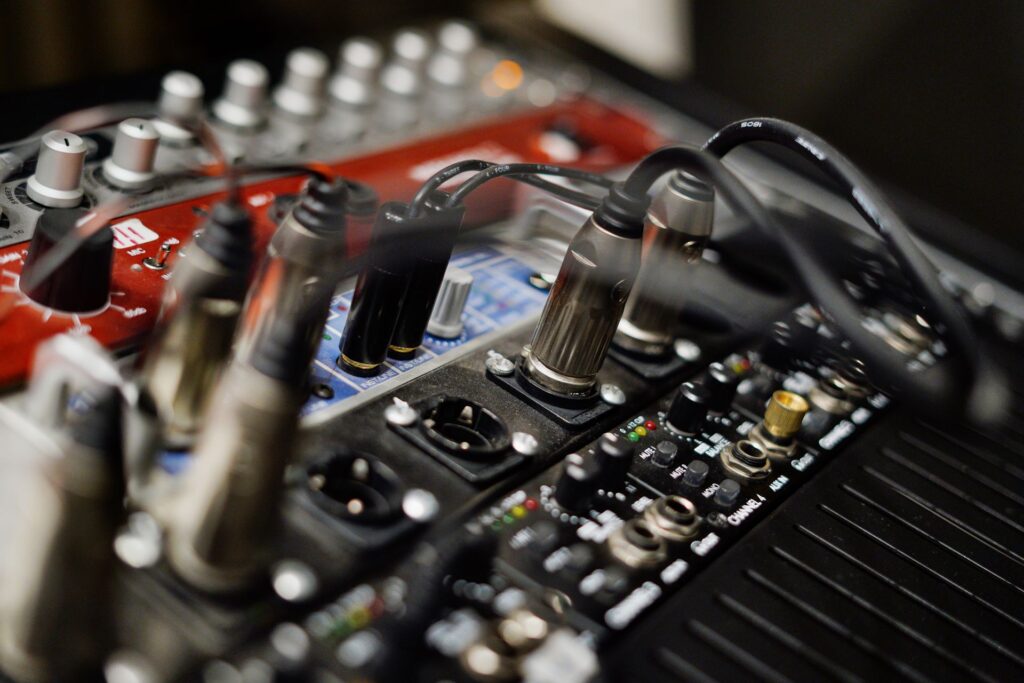
In the early decades of electronic sound reinforcement and studio recording, capturing the pure tone of an electric instrument was a constant struggle for audio engineers and musicians alike. Instruments like electric guitars, bass guitars, and electronic keyboards output high-impedance, unbalanced signals that could not be plugged directly into low-impedance, balanced microphone preamplifiers on professional mixing consoles. Without a specialized interface, connecting an instrument directly to a console resulted in severe high-frequency loss, weak signal levels, and audible hum from surrounding electrical lines.
The invention of impedance matching and early studio isolation
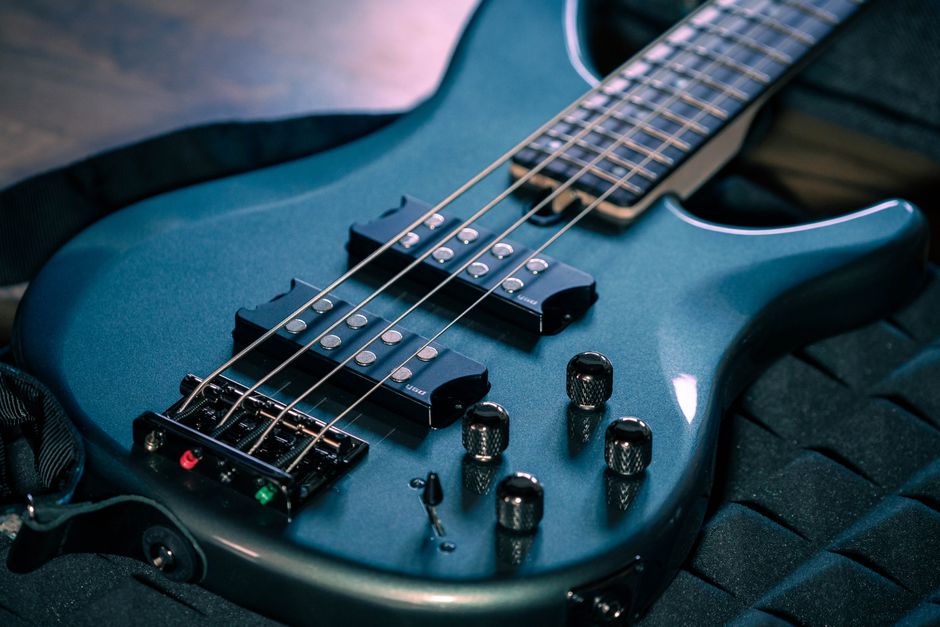
The direct injection box, commonly known as the DI box or direct box, was invented in the mid-1960s to solve this fundamental mismatch between high-impedance instrument pickups and low-impedance microphone inputs. Pioneer audio engineers like Motown’s Ed Wolfrum and session bassist Guenter Gretser constructed custom transformer circuits that converted high-impedance unbalanced instrument signals into balanced low-impedance microphone-level signals. This passive transformer design allowed low-level electrical signals to travel along long multicore cables without signal degradation or high-frequency loss across studio floors.
At Motown’s famous Hitsville U.S.A. studios in Detroit, custom direct boxes allowed legendary bassist James Jamerson and guitarist Eddie Willis to plug directly into the recording console alongside tube amplifiers. By eliminating microphone leakage from loud drums and horn sections, engineers achieved pristine bass clarity and punchy transient response that defined the iconic Motown sound on hit records. The ability to isolate low-frequency instruments revolutionized multitrack recording techniques, giving mixing engineers unprecedented control over individual instrument levels and equalization.
Passive DI boxes relied on high-quality step-down transformers to convert impedance levels without requiring external electrical power, offering exceptional reliability and ground-isolation capabilities in demanding studio environments. The transformer’s magnetic coupling naturally broke ground loops between instrument amplifiers and mixing consoles, eliminating low-frequency hums and buzzes that plagued early live and studio setups. This simple yet elegant circuit design became an indispensable standard tool in professional recording control rooms and major broadcast facilities across the globe.
Evolution from passive transformers to active electronics

As electronic keyboards, active bass guitars, and acoustic-electric instruments proliferated during the 1970s and 1980s, active DI boxes were developed to provide higher input impedance and active gain staging. Utilizing solid-state transistors and operational amplifiers powered by batteries or phantom power from the mixing console, active DI boxes preserved the delicate high-frequency dynamics of low-output passive instrument pickups. Active circuitry ensured that long cable runs did not load down delicate guitar pickups, delivering transparent frequency response across the entire audible spectrum.
In addition to impedance matching, direct boxes introduced pass-through or throughput connectors, allowing musicians to send an unbuffered direct signal to their stage amplifier while simultaneously sending a balanced feed to the front-of-house mixing console. This dual-signal routing enabled sound engineers to blend the raw direct tone of an instrument with the microphone sound of a cranked speaker cabinet in real time during live shows. In studio sessions, mixing engineers frequently recorded a pristine direct bass track alongside an amplified track, allowing for flexible re-amping during final mixdown.
The introduction of active direct boxes also accommodated line-level electronic instruments like synthesizers, drum machines, and digital samplers that emerged as central elements in pop, funk, and electronic music production. By providing padded input attenuation switches, direct boxes allowed high-level synth outputs to enter delicate console mic preamps without overloading input stages or causing harmonic distortion. Direct boxes quickly became the universal audio bridge connecting diverse electronic instruments to analog and digital recording hardware across music production facilities worldwide.
Transforming live sound reinforcement and concert production
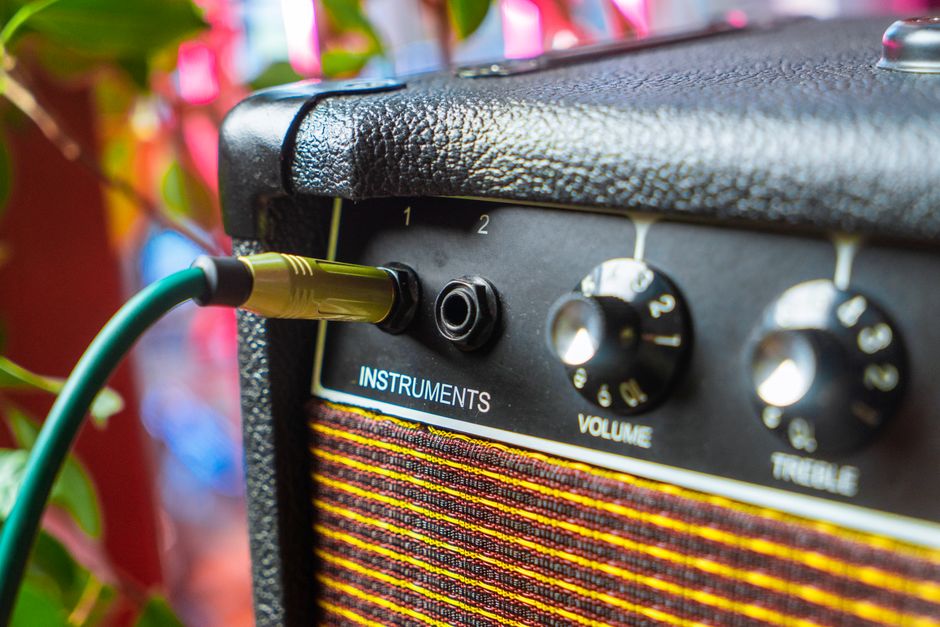
The adoption of direct injection technology fundamentally transformed live sound reinforcement and concert production during the stadium rock revolution of the late 1970s and 1980s. Before DI boxes became standard stage equipment, sound engineers relied heavily on microphones placed in front of bass cabinets and keyboard amplifiers on crowded concert stages. These open microphones frequently picked up unwanted audio bleed from loud drum kits and stage monitors, causing muddy front-of-house sound mixes, erratic phase cancellation, and severe acoustic feedback loops in large arenas and festival venues worldwide.
By feeding clean direct signals straight into the main PA system, DI boxes eliminated stage bleed and acoustic feedback, enabling sound engineers to deliver powerful, crystal-clear bass and keyboard levels to stadium crowds. Front-of-house engineers gained precise control over low-frequency balance and overall tone shaping, ensuring that bass notes remained tight and punchy across massive venue sound systems during major concert tours. The reliability of direct connections streamlined soundchecks and allowed production crews to set up complex multi-instrument stage configurations quickly and efficiently.
On stage, direct boxes simplified monitor mixing by allowing musicians to hear clear, isolated instrument feeds in their floor monitors without acoustic bleed from neighboring amplifiers. Acoustic guitarists gained the freedom to perform live with piezo pickups plugged straight into stage DI boxes, eliminating the need for bulky acoustic amplifiers on stage. Direct boxes enabled the rapid growth of elaborate touring setups, supporting multi-keyboard rigs, electronic drum pads, stereo playback systems, and complex acoustic instrument rigs on major global concert tours for large arena audiences.
Modern studio workflows re-amping and digital production
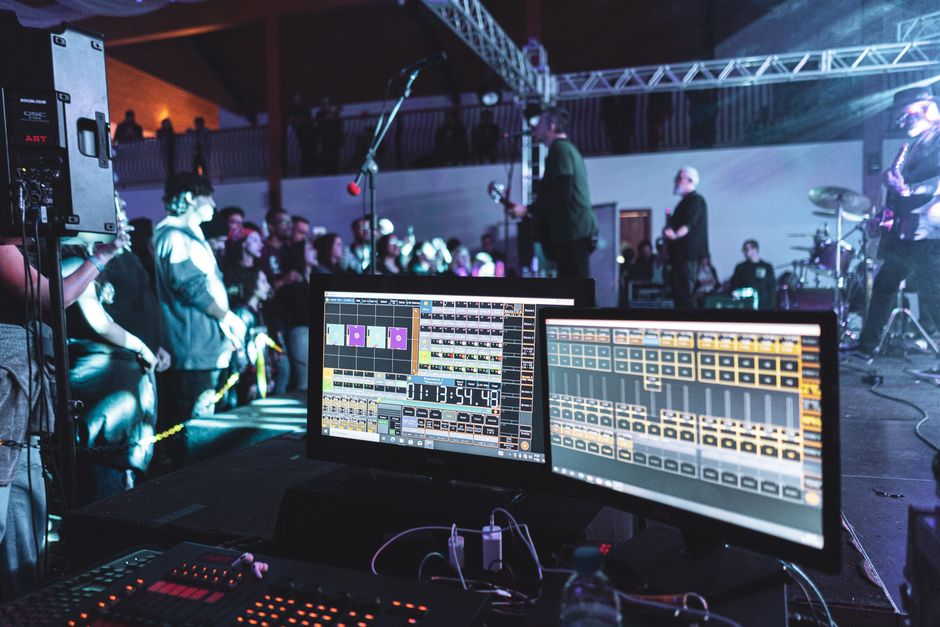
In contemporary music production, the direct box remains an essential staple in both professional recording studios and modern project setups worldwide. With the widespread adoption of digital audio workstations and virtual guitar amp modeling software, recording clean DI tracks has become a standard requirement for guitarists and bassists across every genre. Engineers record unprocessed instrument signals through high-end DI boxes, leaving the uncolored direct audio completely open for digital re-amping, amp modeling plugins, and precise micro-editing throughout the entire post-production process.
Modern direct box designs have evolved to include specialized vacuum tube circuits, active class-A discrete electronics, and speaker-emulated filtering designed for specific performance and recording applications. High-end active DI units incorporate custom transformers and discrete preamps that add subtle harmonic warmth, transformer saturation, and musical compression to digital recordings. From basic passive stage boxes on concert tours to boutique audiophile studio units, direct boxes continue to provide the vital electrical link between instrument and recording console across the music industry.
From the early studio experiments at Motown to the massive amplified spectacles of modern stadium tours and digital DAW workflows, the direct box revolutionized recorded and live music fundamentally. By overcoming impedance mismatches, eliminating ground loops, and enabling pristine signal isolation, this unassuming utility device fundamentally altered how sound is captured, processed, and experienced globally across generations of music creators and listeners. The direct box stands as one of the most significant and lasting engineering innovations in the entire history of modern music technology.