
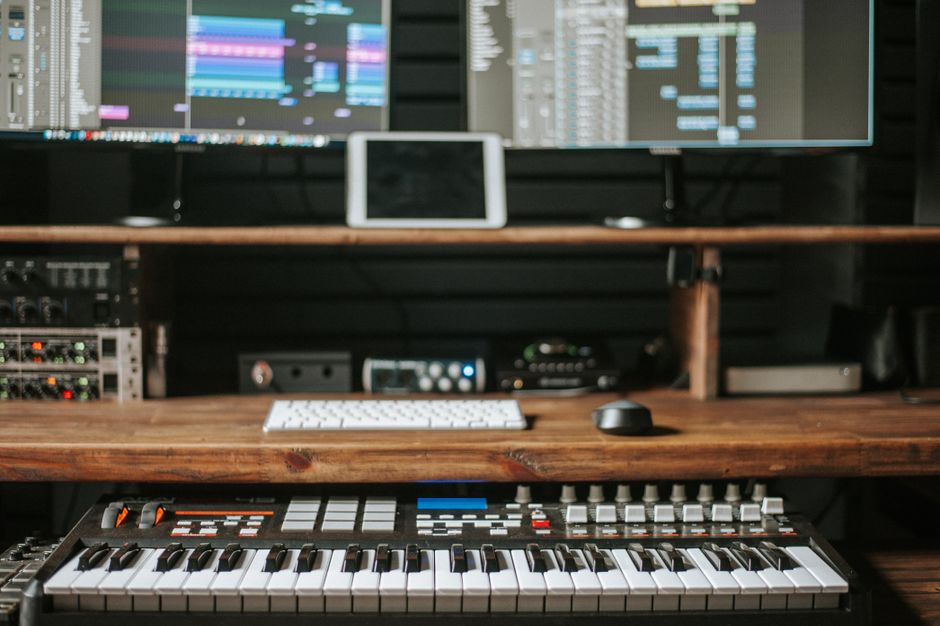
The invention and evolution of Digital Audio Workstations (DAWs) represents the single most transformative technological paradigm shift in the history of music recording and production. Before digital workstations became the central hub of recording studios, making a professional album required millions of dollars in analogue tape machines, physical mixing consoles, specialized outboard rack gear, and acoustic studio spaces. The transition from physical tape spools to software pixels democratized music creation, enabling bedroom producers to compose, record, mix, and master chart-topping hits on personal computers. This historical progression fundamentally reshaped digital music production worldwide.
Early mainframe audio digital MIDI sequencing and Pro Tools
The early precursors of modern workstations emerged in the late 1970s and 1980s with pioneering digital systems like the Soundstream, Fairlight CMI, and New England Digital Synclavier. These early digital systems were extraordinarily expensive mainframe computers that offered rudimentary digital audio editing and sample playback for wealthy commercial studios and high-profile artists like Stevie Wonder and Peter Gabriel. However, their physical memory limits and immense costs restricted widespread industry adoption. This historical progression fundamentally reshaped digital music production worldwide.
The arrival of the Musical Instrument Digital Interface (MIDI) protocol in 1983 opened new frontiers by allowing electronic synthesizers, drum machines, and personal computers to communicate seamlessly. Software programs like Cubase, Logic, and Performer allowed musicians to compose and edit complex multi-track musical arrangements using visual software piano rolls and MIDI sequencers. Musicians no longer needed a live rhythm section to audition song arrangements, laying the groundwork for modern electronic pop production. This historical progression fundamentally reshaped digital music production worldwide.
In 1991, Digidesign introduced Pro Tools, a landmark digital audio workstation software that offered direct-to-disk multitrack digital audio recording and non-destructive waveform editing. Pro Tools allowed sound engineers to splice, edit, crossfade, and rearrange recorded audio tracks instantly on computer screens without physically cutting magnetic tape strips with razor blades. Non-destructive software editing eliminated the permanent risks of analogue tape splices, allowing endless creative experimentation. This historical progression fundamentally reshaped digital music production worldwide.
VST plugins pitch correction and non linear editing workflows
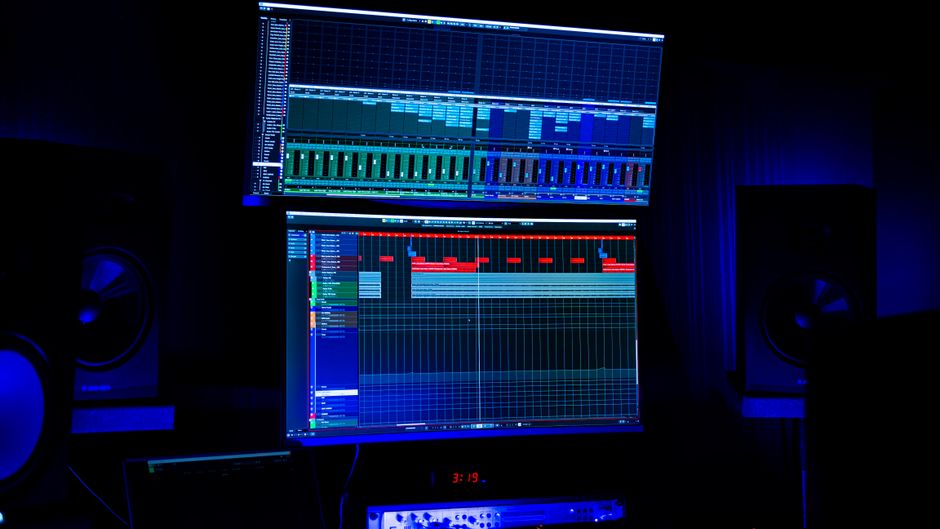
As personal computer processing power expanded throughout the late 1990s, software developers introduced Virtual Studio Technology (VST) plugins, emulating hardware equalizers and compressors in code. Software plugins allowed producers to insert unlimited virtual compressors, delays, and reverbs directly onto digital audio channels inside DAW mixer windows. Bedroom producers gained access to virtual recreations of multi-million dollar vintage analogue studio gear for a fraction of hardware costs. This historical progression fundamentally reshaped digital music production worldwide.
Digital Audio Workstations introduced non-linear recording and surgical audio correction tools like pitch correction plugins and time-alignment software. Producers could now pitch-correct vocal performances note by note and quantize drum recordings precisely to a digital tempo grid in real time. While critics argued that surgical digital correction stripped away human performance imperfections, it created the polished, radio-ready production aesthetic that defines contemporary pop music. This historical progression fundamentally reshaped digital music production worldwide.
Software workstations like Ableton Live, FL Studio, and GarageBand revolutionized music production by introducing loop-based composition, intuitive step sequencers, and real-time performance workflows. FL Studio empowered young hip-hop and electronic producers to pioneer trap and EDM genres without formal music theory training or traditional studio access. GarageBand bundled powerful recording software for free on millions of consumer computers, democratizing music creation for a new generation. This historical progression fundamentally reshaped digital music production worldwide.
Bedroom studio democratization and global remote collaboration
The democratization of music production through DAWs eliminated traditional recording industry gatekeepers, shifting the center of creative gravity away from commercial recording studios toward home bedroom setups. Major Grammy-winning albums by artists like Billie Eilish, Finneas, and Skrillex were produced entirely inside home bedroom studios using consumer laptops and standard DAW software. High-quality music creation was no longer reserved for corporate record label budgets, empowering independent artists worldwide. This historical progression fundamentally reshaped digital music production worldwide.
Digital audio workstations also transformed global collaboration through cloud-based project sharing, stem sharing, and real-time remote recording sessions. Producers across different continents can work simultaneously on the same DAW project file, exchanging audio stems and plugin presets across high-speed internet connections instantly. Cross-border digital collaboration accelerated the fusion of regional musical styles, giving rise to global pop genres like afrobeats and Latin trap. This historical progression fundamentally reshaped digital music production worldwide.
In modern music creation, the DAW serves as an all-in-one instrument, recording studio, mixing console, and mastering suite integrated into a single software application. Modern producers seamlessly blend MIDI virtual instruments, live microphone recordings, and audio sampling within intuitive computer interfaces. The software workstation remains the ultimate canvas for contemporary musical expression, continuously reshaping how sound is generated, sculpted, and shared. This historical progression fundamentally reshaped digital music production worldwide.
Hybrid analogue workflows and the modern digital studio legacy
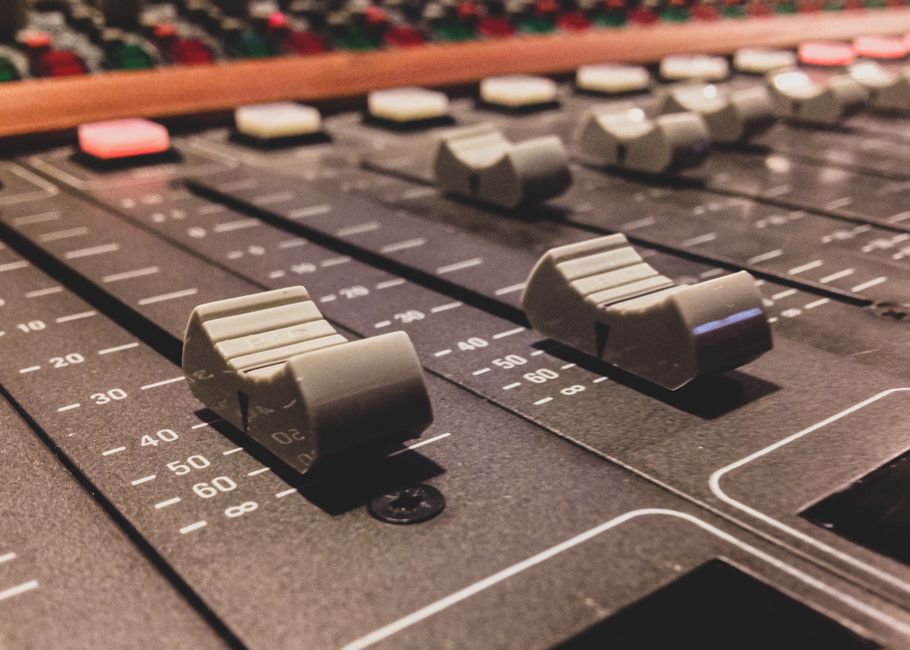
Despite the overwhelming dominance of digital software, modern producers maintain a deep appreciation for analogue warmth, incorporating hybrid workflows that combine hardware and DAWs. Hybrid studio setups route digital DAW tracks through analogue summing mixers, tube preamps, and tape saturation hardware to add organic character to digital recordings. Hybrid production captures the surgical editing precision of software alongside the harmonic richness of classic analogue circuits. This historical progression fundamentally reshaped digital music production worldwide.
Educational platforms, online video tutorials, and digital software forums turned music production into a vibrant, globally connected community of self-taught creators. Aspiring producers share custom DAW templates, sound design presets, and mixing tutorials online, accelerating technical learning curves for young musicians everywhere. Open information sharing demystified audio engineering secrets that were once closely guarded by corporate studio veterans. This historical progression fundamentally reshaped digital music production worldwide.
From early mainframe digital experiments to modern laptop software, Digital Audio Workstations fundamentally rewrote the rules of music creation, distribution, and consumption. By breaking down financial barriers and expanding creative possibilities, the DAW empowered millions of diverse voices to participate in global music culture. The digital workstation stands as the cornerstone of contemporary sound, driving musical innovation into the future. This historical progression fundamentally reshaped digital music production worldwide.