
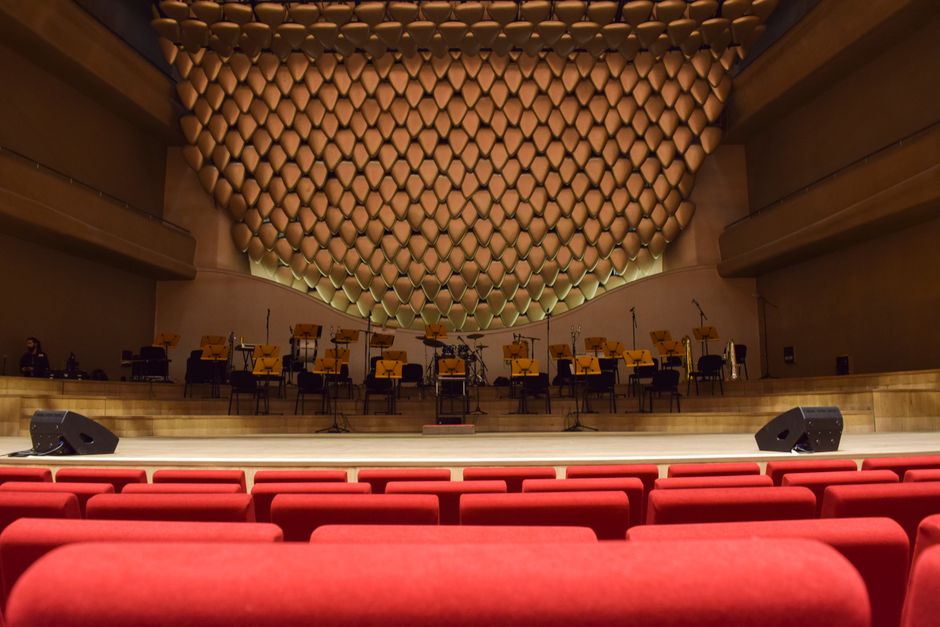
The physical spaces in which humans gather to perform and experience music have fundamentally dictated the evolution of musical composition, instrumental arrangement, and acoustic engineering across Western civilization. Long before electrical sound amplification and digital mixing consoles were invented, architects and master builders relied entirely on natural geometry, structural materials, and atmospheric reflections to project musical sound to listening audiences. From open-air stone structures carved into Mediterranean hillsides to opulent European opera houses and massive modern sports arenas, the history of concert architecture is a story of human ingenuity. Architectural innovation continually transformed live performance acoustics across centuries.
Ancient amphitheatres and the physics of outdoor acoustics
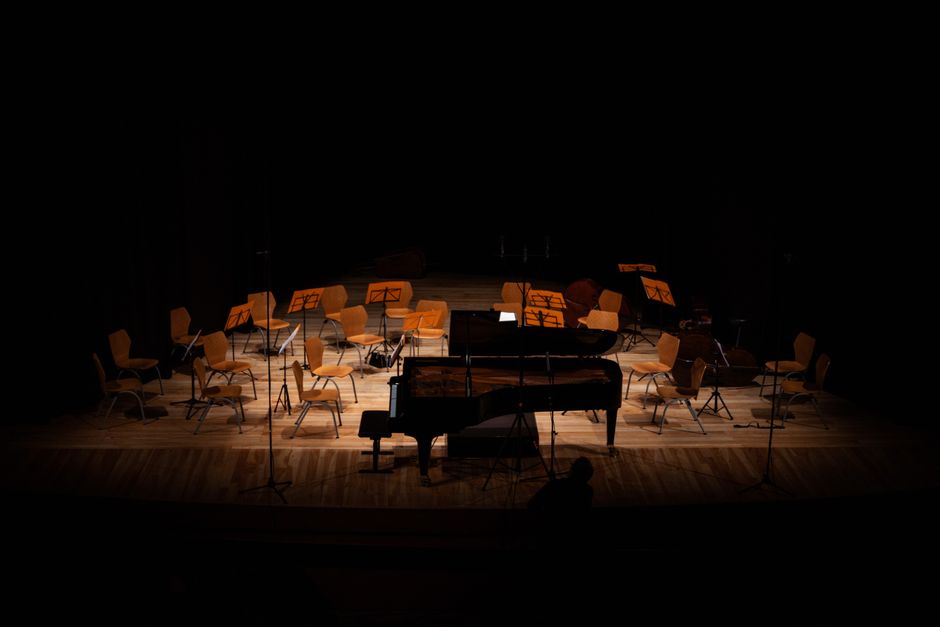
In ancient Greece and Rome, open-air amphitheatres like Epidaurus demonstrated an extraordinary empirical understanding of acoustic physics and natural vocal projection across large outdoor spaces. Built into steep limestone hillsides, these semicircular stone structures utilized steeply terraced seating rows that functioned as natural acoustic filters, attenuating low-frequency background wind noises while reflecting high-frequency vocal formants. Performers standing on the central stone orchestra floor could project unamplified spoken dialogue and musical melodies to over fourteen thousand spectators seated across distant upper rows with remarkable intelligibility. Architectural innovation continually transformed live performance acoustics across centuries.
The Romans expanded upon Greek open-air designs by constructing freestanding masonry amphitheatres using arches, concrete vaults, and wooden stage canopies designed to enclose performance areas. Structural backdrops known as scaenae frontes provided crucial acoustic reflections, bouncing sound energy forward into elevated spectator seating areas before acoustic energy dissipated into open sky. These monumental outdoor structures hosted civic ceremonies, theatrical plays, and musical pageants, establishing foundational principles of audience sightlines and acoustic coverage that influenced Western architecture for millennia. Architectural innovation continually transformed live performance acoustics across centuries.
During the European Middle Ages and Renaissance, musical performances transitioned indoors into stone cathedrals, royal court chambers, and private aristocratic salons. Stone cathedrals with vast vaulted ceilings created extreme reverberation times exceeding five seconds, forcing sacred composers to craft slow-moving Gregorian chants and polyphonic vocal textures that harmonized with natural room reverberation. The physical volume and hard reflective surfaces of ecclesiastical architecture directly dictated musical composition style, prioritizing long, suspended vocal harmonies over fast, intricate rhythmic passages. Architectural innovation continually transformed live performance acoustics across centuries.
The European shoebox hall and classic symphonic design
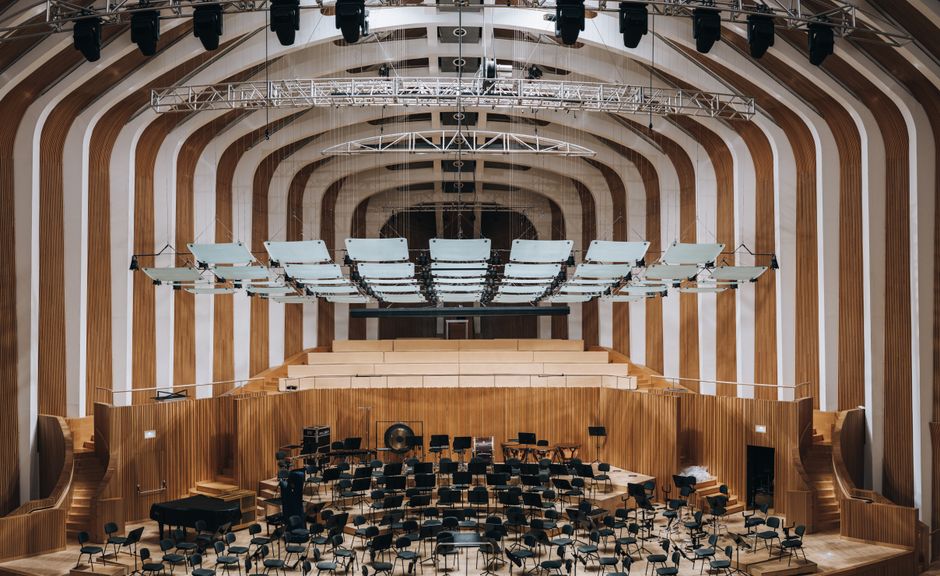
The eighteenth and nineteenth centuries witnessed the birth of purpose-built public concert halls designed specifically for orchestral performances and opera productions across major European capitals. Master builders developed the classic rectangular shoebox hall design, exemplified by landmark venues like Vienna’s Musikverein and Boston’s Symphony Hall. The narrow rectangular proportion and tall ceiling height produced optimal lateral sound reflections, enveloping audience members in rich acoustic warmth, clear spatial imaging, and superior reverberant resonance. Architectural innovation continually transformed live performance acoustics across centuries.
Shoebox halls featured elaborate ornamental plasterwork, coffered ceilings, statues, and velvet drapery that played vital roles in scattering high-frequency acoustic reflections evenly throughout the hall. These architectural decorations prevented harsh acoustic flutter echoes while maintaining long reverberation times ideal for romantic symphonic music by Beethoven, Brahms, and Tchaikovsky. The acoustic intimacy of shoebox halls allowed symphonic orchestras to expand in size, encouraging composers to write powerful brass fanfares and delicate string passages. Architectural innovation continually transformed live performance acoustics across centuries.
As urban middle-class populations expanded during the Industrial Revolution, architects faced growing commercial pressure to design larger concert auditoriums with higher seating capacities. However, expanding venue width to accommodate more seats often compromised acoustic lateral reflections, resulting in dry, distant sound quality for balcony listeners. Master acousticians began formulating mathematical models and sound absorption coefficients to balance seating capacity with acoustic brilliance, transforming hall design from empirical craftsmanship into a formal engineering science. Architectural innovation continually transformed live performance acoustics across centuries.
Vineyard architecture and modern acoustic engineering
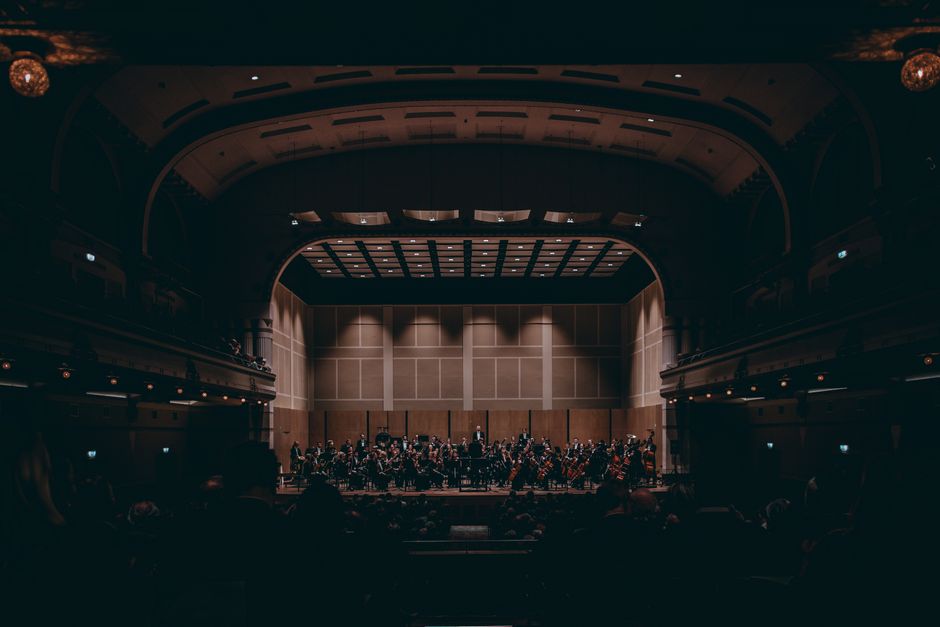
In the mid-twentieth century, architectural acousticians like Leo Beranek introduced radical vineyard-style hall designs, pioneered by Hans Scharoun’s Berlin Philharmonie in 1963. Vineyard halls arranged audience seating in cascading terraced trays surrounding a central orchestral stage, creating intimate visual and acoustic proximity between musicians and listeners. Elevated seating walls provided essential early sound reflections, combining the visual intimacy of arena seating with the acoustic clarity and warmth traditionally reserved for narrow shoebox halls. Architectural innovation continually transformed live performance acoustics across centuries.
The vineyard layout revolutionized modern concert hall architecture, inspiring iconic international venues like the Sydney Opera House, Tokyo’s Suntory Hall, and Los Angeles’s Walt Disney Concert Hall. Architect Frank Gehry and acoustician Yasuhisa Toyota utilized advanced computer simulation software to model complex curved timber surfaces and adjustable acoustic canopy panels. Modern computer modeling enabled precise calculation of sound wave reflections, ensuring unamplified orchestral performances achieved balanced acoustic clarity across every seating block. Architectural innovation continually transformed live performance acoustics across centuries.
Contemporary symphonic halls incorporate sophisticated variable acoustic technology, including motor-driven ceiling reflectors, acoustic banners, and computer-controlled reverberation chambers. These adaptable architectural elements allow a single concert hall to modify its acoustic properties instantly, accommodating delicate chamber ensembles, massive symphonic works, and amplified pop performances within the same space. Flexibility in structural acoustics ensured that modern classical venues remained commercially viable and artistically versatile for diverse community programming. Architectural innovation continually transformed live performance acoustics across centuries.
Arena acoustics and the era of amplified sound reinforcement
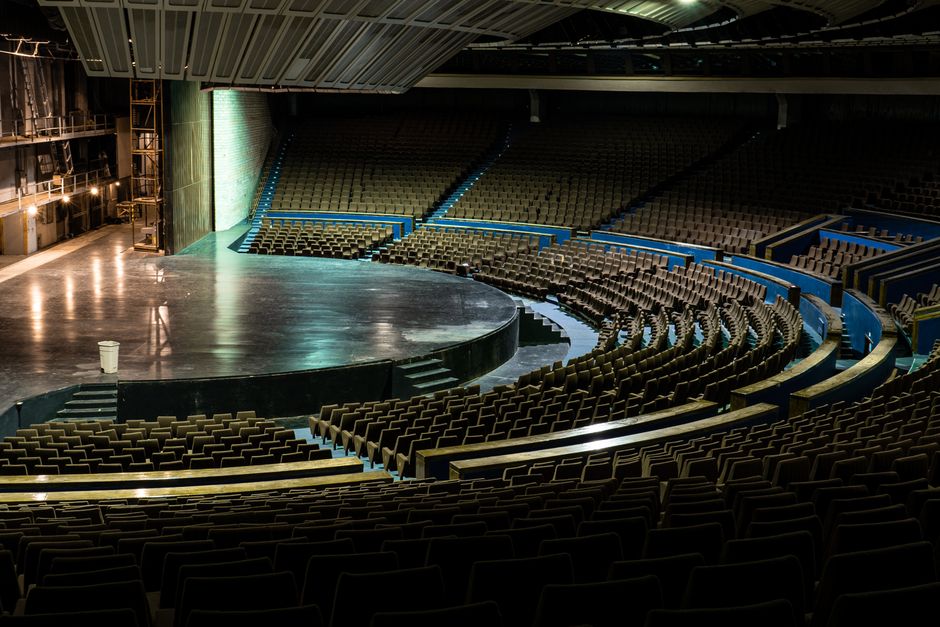
The mid-twentieth century also saw the rise of massive arena and stadium concert venues, driven by the explosive commercial growth of amplified rock and pop music tours. Venues originally constructed for professional athletics, like New York’s Madison Square Garden and London’s Wembley Arena, were repurposed for mega-concerts holding tens of thousands of cheering fans. Performing in massive, reflective sports arenas created unprecedented acoustic challenges, as long room reverberation and echo reflections severely garbled amplified musical signals. Architectural innovation continually transformed live performance acoustics across centuries.
To overcome terrible arena acoustics, sound reinforcement engineers developed high-powered public address systems featuring directional line array speaker towers and digital signal processing. Line array technology focused acoustic energy directly toward spectator seating areas while minimizing spill onto highly reflective stadium ceilings and concrete walls. Advanced digital delay lines aligned multi-speaker clusters, ensuring fans seated in distant upper decks received clear, time-aligned audio without disruptive acoustic echoes. Architectural innovation continually transformed live performance acoustics across centuries.
From ancient Greek stone amphitheatres to modern acoustically tuned arenas, the evolution of performance spaces reflects humanity’s continuous quest for acoustic perfection and shared cultural experience. Architectural design has consistently dictated how music is composed, performed, and experienced by audiences across historical eras. As performance venues continue to adapt to new audio technologies, the spatial relationship between musician, architecture, and listener remains the cornerstone of live musical art. Architectural innovation continually transformed live performance acoustics across centuries.